Beams Engine Services: Improve Your Vehicle's Efficiency Today
Beams Engine Services specializes in improving automotive efficiency through advanced diagnostics and tailored solutions. Their expert team focuses on key performance indicators such as power and thrust, ensuring vehicles operate efficiently. With options for tuning and upgrades, they address both performance and emissions. As more vehicle owners seek to maximize their automobile's capabilities, understanding the benefits and methods of engine optimization becomes crucial. What possibilities await those prepared to elevate their driving experience?
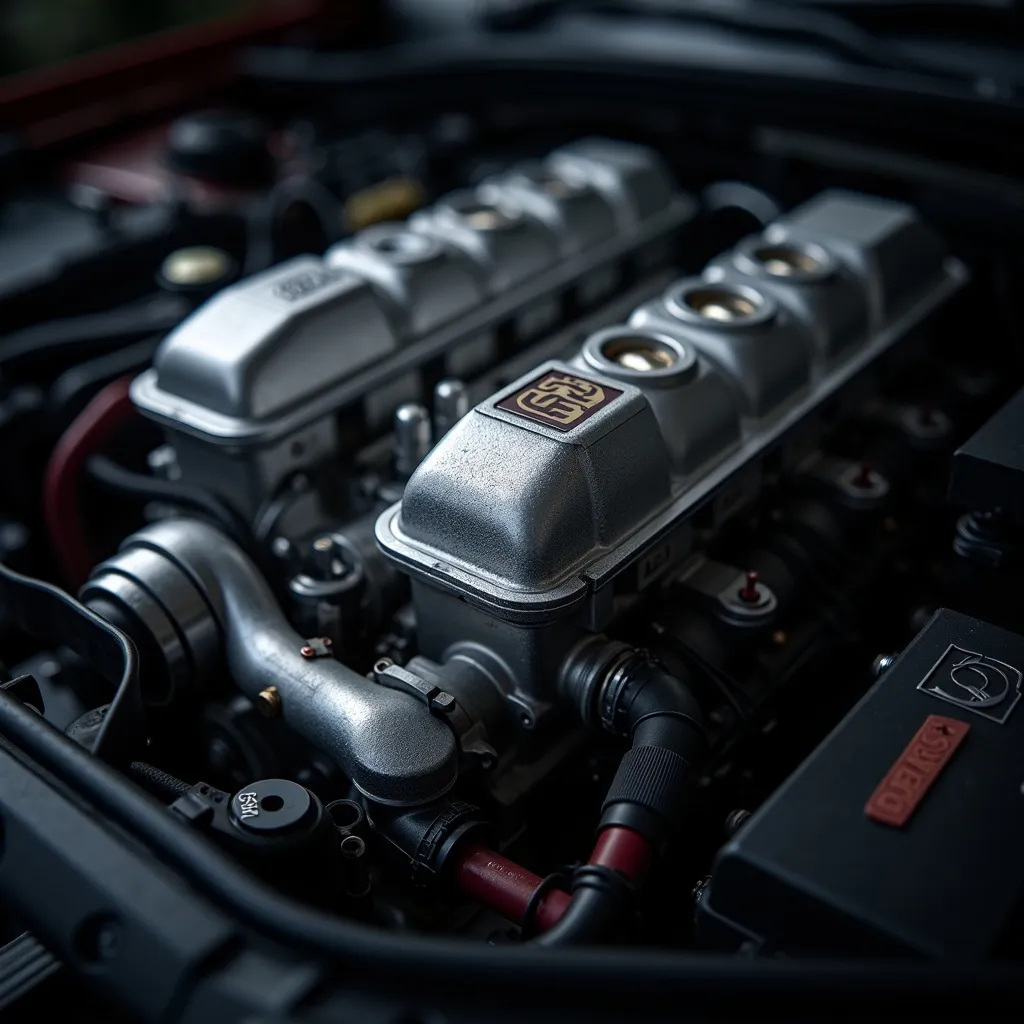
Basic Fundamentals of Engine Operation: Key Metrics Detailed
Engine capability is a vital aspect of vehicle efficiency and power. Several key metrics establish how well an engine operates. Horsepower represents the engine's ability to perform work, showing how fast a vehicle can pick up speed. Torque, on the other hand, describes the turning force generated by the engine, necessary for tasks such as towing and climbing hills.
Another vital indicator is fuel economy, often stated in miles per gallon (MPG). This figure measures how effectively an engine converts fuel into motion, significantly affecting operating costs. Additionally, engine quickness is critical; it gauges how quickly find this resource an engine can respond to driver inputs, influencing overall driving experience.
In conclusion, emissions output is growing increasingly vital, reflecting the engine's environmental impact. Understanding these metrics allows vehicle owners to assess efficiency, ensuring well-informed choices concerning upkeep and improvements, eventually improving their driving experience.
The Way We Boost Your Vehicle's Performance
To boost vehicle performance, cutting-edge analysis methods are applied to spot underlying issues. These techniques provide a clear picture of a vehicle's condition, permitting the deployment of targeted performance enhancement solutions. By addressing both diagnostics and refinements, ideal vehicle behavior can be obtained.
State-of-the-Art Diagnostic Techniques
Uncovering a vehicle's maximum capability demands exact and state-of-the-art diagnostic techniques. At Beams Engine Services, qualified technicians use state-of-the-art tools and software to discover underlying issues that may hamper performance. These diagnostic methods involve extensive scanning of onboard systems, analyzing engine codes, and performing comprehensive performance assessments. By reviewing parameters such as fuel efficiency, ignition timing, and exhaust emissions, technicians can identify inefficiencies affecting overall operation. Moreover, advanced diagnostic techniques enable the quick spotting of potential problems, permitting prompt interventions. This proactive method not only strengthens vehicle reliability but also ensures peak functionality. Ultimately, these detailed assessments provide the base for tailored performance improvements, preparing a vehicle to operate at its optimum.
Performance Enhancement Solutions
After recognizing performance issues through advanced diagnostic techniques, the focus moves toward implementing engine optimization strategies. Beams Engine Services focuses on a variety of upgrades created to optimize vehicle performance. These offerings include upgraded intake systems, exhaust components, and engine tuning, all aimed at boost power and acceleration. Additionally, the team provides suspension improvements and brake enhancements, ensuring that vehicles not only operate more efficiently but also handle more effectively. By employing premium components and professional setup, Beams Engine Services ensures enduring results. Routine maintenance checks are also emphasized to maintain improved capabilities over time. Ultimately, these tailored solutions deliver drivers with a more responsive and enjoyable driving experience, elevating their vehicle's capabilities to new heights.
Engine Performance Upgrades: What Options Are Available?
What possibilities are available for improving engine performance? Vehicle owners have multiple paths to consider, each catering to different performance objectives. One popular upgrade is the addition of a high-performance air intake system, which can boost airflow and enhance combustion efficiency. Another choice involves upgrading the exhaust system, permitting for better expulsion of gases, which can enhance power output.
Adjusting the engine's ECU is another effective strategy, enhancing fuel delivery and ignition timing for enhanced efficiency. For those pursuing more considerable power gains, forced induction systems can be mounted, forcing air entering the engine for greater performance.
Finally, replacing fuel injectors and using high-octane fuel can also support more powerful engine performance. Each of these options offers distinct benefits, allowing vehicle owners to tailor their upgrades according to their performance aspirations and driving needs.
Top 5 Advantages of Increased Engine Efficiency
An improved engine efficiency offers a range of benefits that can greatly boost a vehicle's general performance and ride quality. Initially, it results in better gas mileage, allowing drivers to travel further on less fuel, lowering overall costs. Additionally, improved efficiency often results in reduced pollutants, contributing to a more environmentally friendly operation. Third, an high-performing engine can provide more power, providing quicker acceleration and improved responsiveness, which can significantly elevate the ride quality. Additionally, optimized engine functioning can lead to reduced engine wear, prolonging the lifespan of key parts and reducing maintenance costs over time. Finally, enhanced engine efficiency can result in reduced noise, improving cabin comfort and reducing noise pollution. Collectively, these advantages make a compelling case for why vehicle owners should prioritize engine performance when considering performance upgrades.
How Technology Improves Engine Performance
In modern automotive engineering, technology plays an essential role in optimizing engine performance. High-tech diagnostic systems supply live metrics, allowing for quick identification of issues and improving system productivity. Additionally, meticulous adjustment procedures permit technicians to fine-tune engines for superior strength and consumption rates.
Sophisticated Diagnostic Tools
Capitalizing on the strength of advanced diagnostic tools transforms engine optimization, enabling both mechanics and automotive enthusiasts to identify performance issues with precision. These instruments, equipped with cutting-edge innovations, deliver real-time data that highlights engine performance metrics. By leveraging integrated diagnostic systems, technicians can rapidly assess error codes and locate defects, streamlining the troubleshooting process. Moreover, software applications analyze automotive specifications, allowing for comprehensive evaluations of fuel consumption, emissions, and overall engine health. This analytics-based methodology enhances decision-making processes, guaranteeing that fixes are targeted and successful. Ultimately, sophisticated diagnostic equipment not only enhance the accuracy of engine evaluations but also lead to extended car longevity and improved functionality, making them essential in contemporary car maintenance.
Perfect fine-tuning procedures designed to advance overall functionality
Diagnostic tools that are advanced facilitate precision tuning techniques, which harness technology to calibrate engine capabilities. These techniques depend on the application of software to assess engine parameters continuously, allowing adjustments that improve fuel efficiency and power generation. By using sophisticated algorithms and data analytics, technicians can locate problem areas and implement necessary modifications to ignition timing, air-fuel ratios, and beyond. Moreover, dyno testing supplies essential perspectives into performance changes, confirming that all modifications generates quantifiable gains. Through precision tuning, automobiles can realize improved responsiveness and general dependability. This technological approach not just optimizes capabilities but furthermore supports longevity, rendering precision tuning a vital element of contemporary engine enhancement.
Achievement Examples: The Manner Engine Optimization Shifted Living
Engine modification has transformed countless lives, enhancing not only vehicle performance but also the driving experience itself. For many drivers, the advantages have been life-changing. One individual, a young business owner, reported that after fine-tuning his car's motor, he noticed a substantial boost in fuel efficiency, allowing him to reduce costs on gas and put funds in his growing business. Another success story comes from a family who, after engine optimization, discovered their road trips more enjoyable due to better speed response and handling, creating cherished moments on the open road.
Furthermore, car enthusiasts have discovered that engine optimization not only boosts horsepower but also enhances overall satisfaction with their vehicles. The rush of driving a carefully calibrated engine has reignited passions for many, making each expedition memorable. These stories exemplify how engine optimization at Beams Engine Services exceeds mere mechanics, influencing lives and creating lasting connections between drivers and their vehicles.
Beginning Your Journey With Beams Engine Solutions: A Roadmap
To commence the journey of enhancing vehicle performance with Beams Engine Services, drivers should initially perform in-depth investigation on the various offerings provided. This includes understanding engine tuning, performance upgrades, and diagnostic services customized to specific car models.
Next, potential customers should evaluate their vehicles' present conditions and identify specific performance goals, such as improved horsepower or gas mileage. Speaking with experienced staff at Beams Engine Services can offer insights into the most advantageous options for each vehicle's needs.
Setting up an initial consultation is necessary, as it enables drivers to explore their targets and get bespoke recommendations. Moreover, reviewing client feedback and endorsements can help in evaluating the credibility and performance of the services.
In conclusion, motorists should prepare for any necessary adjustments or repairs, ensuring their vehicles are prepared for optimal efficiency enhancements. By following these guidelines, drivers can effectively begin their performance-enhancing journey with Beams Engine Services.
Frequently Inquired Questions
How Extended is the Process for an Engine performance boost?
An motor performance enhancement typically requires between a couple of hours to several days, depending on the complexity of the changes and the specific vehicle. Proper preparation and scheduling can greatly influence the aggregate timeframe.
Do Performance Upgrades Void My Vehicle's Warranty?
Performance enhancements can potentially nullify a vehicle's warranty, depending on the manufacturer's guidelines. It is essential for vehicle owners to examine warranty terms and consult with professionals to understand the implications of modifications before proceeding.
Which Types of Vehicles Can Benefit From Your Solutions?
Numerous vehicles can benefit from performance enhancements, including sports cars, trucks, and SUVs. Enhancements can increase speed, handling, and fuel efficiency, attracting enthusiasts and everyday drivers wanting a more exhilarating driving experience.
Are There Any Risks Associated With Engine Performance Enhancements?
Yes, motor efficiency enhancements can present dangers such as greater wear and tear, potential overheating, and canceling warranties. Careful evaluation and professional direction are essential to minimize these risks and guarantee secure changes.
When Should I Inspect My Engine for Optimal Performance?
For ideal performance, an engine should be maintained every 5,000 to 7,500 miles, depending on the vehicle and operating conditions. Routine maintenance ensures durability and peak performance, decreasing the probability of costly repairs and operational problems.